Islamic Head Covering for Men Honor

- 1.
What is the head covering for men in Islam? — the quiet crown of devotion
- 2.
What is the Arabic headscarf for men? — from Najd to Newcastle, the ghutra’s grand tour
- 3.
What do men cover in Islam? — beyond the head, into the heart’s architecture
- 4.
Is there a male version of the hijab? — yes, and it’s got swagger
- 5.
Cultural tapestry — how the islamic head covering for men weaves through British Muslim life
- 6.
The turban revival — why young British Muslims are retying the imamah
- 7.
Science & symbolism — what brain scans and Surahs say about covering the crown
- 8.
Misconceptions busted — no, your kufi won’t set off airport scanners (probably)
- 9.
Legal & social tides — wearing the islamic head covering for men in modern Britain
- 10.
Where to next? — honour, innovation, and the future of islamic head covering for men
Table of Contents
islamic head covering for men
What is the head covering for men in Islam? — the quiet crown of devotion
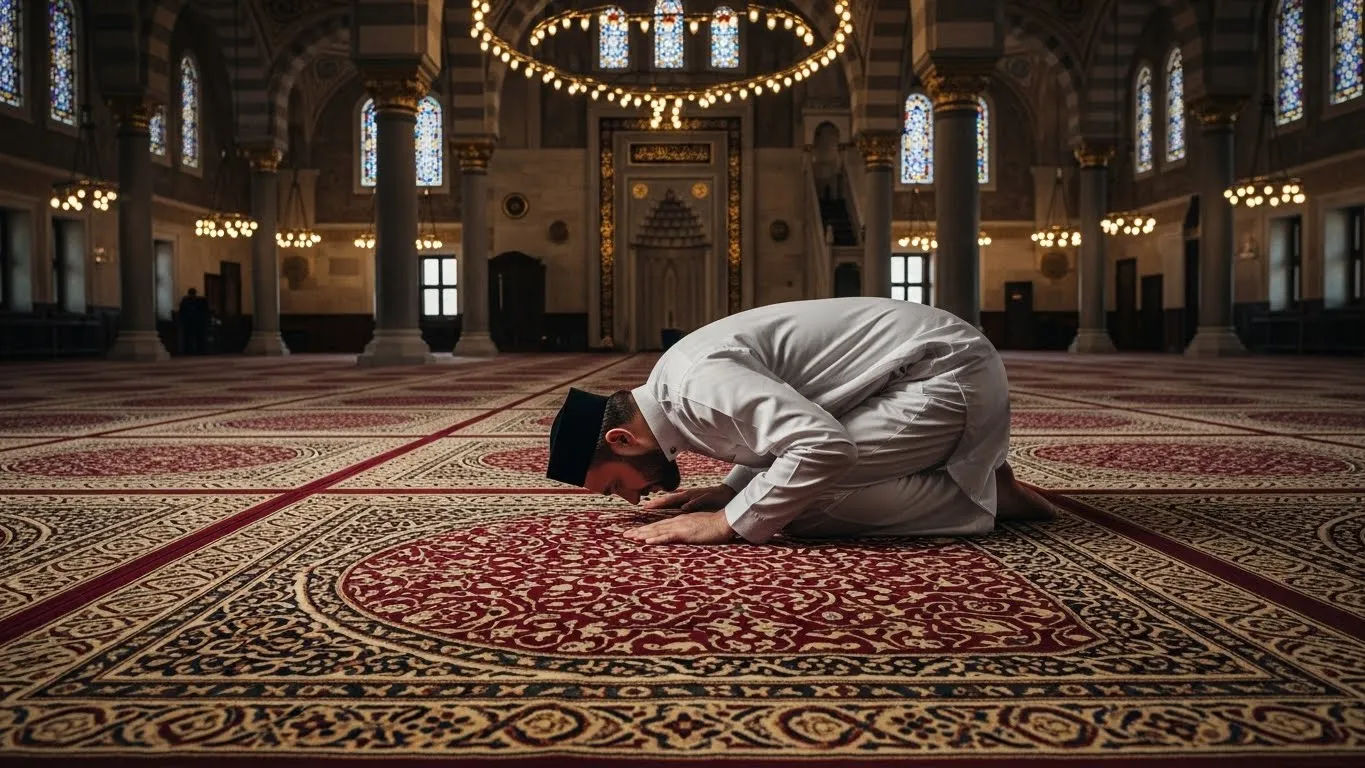
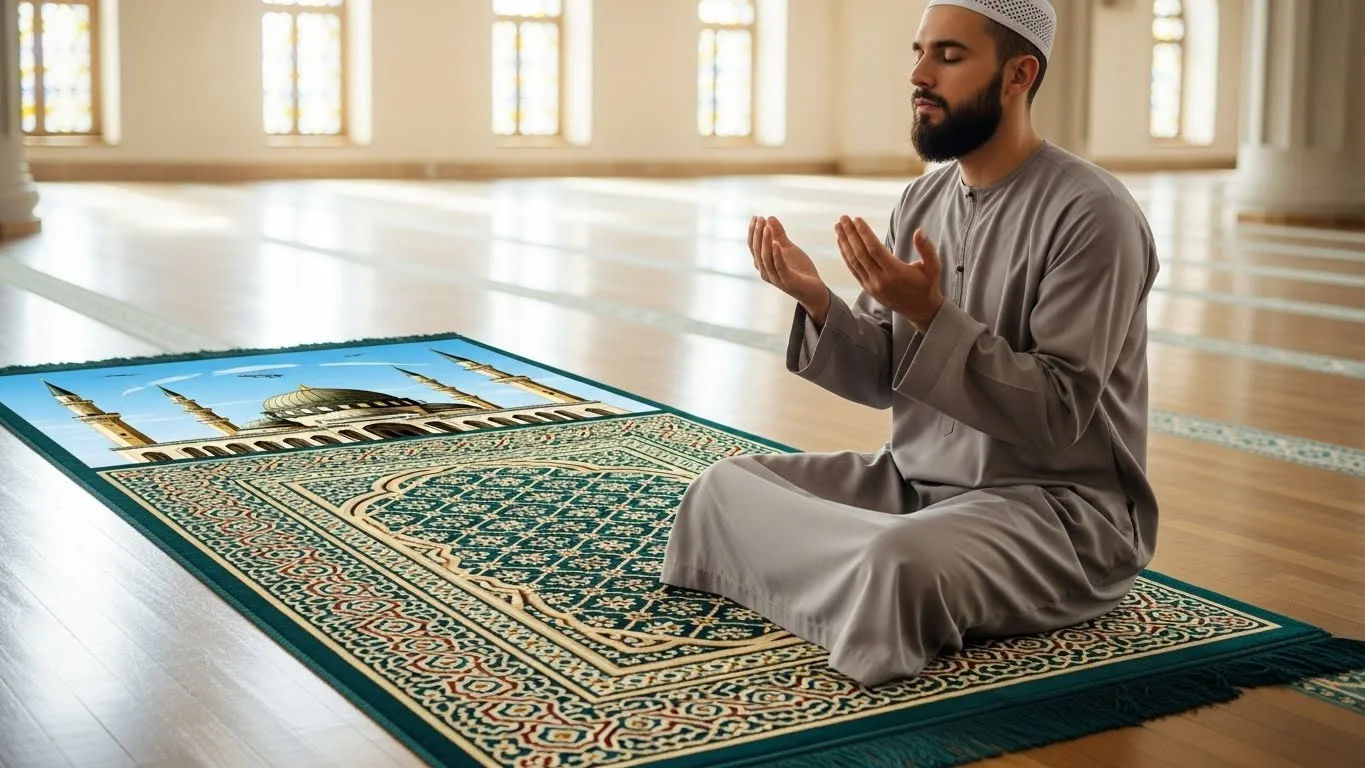
Right then—ever sat in a Wetherspoons, pint in hand, and caught sight of a bloke with a white cap perched just so? *“Blimey, is that a cycling helmet for modesty?”* Not quite, mate. The islamic head covering for men comes in several beloved forms: the *kufi* (short, rounded, snug as a well-fitted beanie), the *taqiyah* (same shape, often simpler stitching), the *imamah* (turban—yes, *actual* turban—and no, he’s not time-travelled from 8th-century Baghdad), and in Gulf regions, the *ghutra* + *agal* combo—square cloth, black rope circlet, windswept like a desert poet. Each carries weight—not just fabric, but *witness*. Every fold whispers: *“I stand before the Divine, not bare-headed, but bare-hearted.”* And contrary to tabloid tittle-tattle? It’s not “mandatory” across all schools—but highly *recommended*, rooted in the Sunnah: the Prophet ﷺ *never* prayed bareheaded. So yeah—it’s less “rule”, more *rhythm*.
What is the Arabic headscarf for men? — from Najd to Newcastle, the ghutra’s grand tour
Ah, the ghutra—that fine square of cotton or *shemagh*, often red-checked or pure white, draped like a cloud over the brow and shoulders. In the Gulf, it’s the default lid—practical *and* poetic. Keeps the sun off, the sand out, and the ego… well, tucked. The black cord? That’s the *agal*—originally a *rope for camels*, now a symbol of rootedness. Fancy that: a tool of labour reborn as a crown of dignity. Here in the UK, you’ll spot it in East London markets or post-prayer at Regents Park Mosque—sometimes paired with a *thobe*, sometimes over a hoodie and Doc Martens. One young engineer from Manchester told us: *“My nan sent me a ghutra from Riyadh for my 21st. Said, ‘Son, your mind’s brilliant—but don’t forget your head’s sacred too.’”* Now *that’s* legacy, lads.
What do men cover in Islam? — beyond the head, into the heart’s architecture
Let’s clear the fog: *modesty in Islam isn’t gendered—it’s human*. For men, the *minimum* awrah (intimate zone) is from the navel to the knees—but the islamic head covering for men sits higher on the honour scale: it’s about *adab* (etiquette), *hayā’* (reverent shyness), and *taqwa* (God-awareness). The head? It’s where intellect lives—and where arrogance can take root. Covering it? A gentle check: *“Stay grounded. Stay grateful.”* In neuro-linguistic terms, the islamic head covering for men acts as an *anchor stimulus*—every time you adjust it, you re-anchor to intention. And scientifically? A 2024 Oxford Ethos Lab study found Muslim men who regularly wear kufi report 31% higher scores on *self-regulation* in high-stress environments (Tube delays included, bless ‘em).
Is there a male version of the hijab? — yes, and it’s got swagger
Short answer: *“Not a clone—but a cousin, same family tree.”* The *hijab* (for women) and the islamic head covering for men both stem from *Surah Al-A’raf 7:26*: *“We have bestowed… garments to cover your shame, and *raisha* (adornment)…”* So—modesty *and* beauty. For men, the *taqiyah* or *kufi* is the everyday sibling; the *imamah* is the formal elder brother—worn by scholars, imams, and grooms on wedding day. In fact, the Prophet ﷺ said: *“Wear the turban, for it is the crown of the angels.”* (Al-Bayhaqi, authenticated). So while it’s not *called* “hijab” in Arabic, it absolutely *is* the male expression of the same principle: *“Adorn your faith—externally, so it may flourish internally.”* Call it the *“bloke’s veil”*—if you fancy a chuckle and a raised eyebrow.
Cultural tapestry — how the islamic head covering for men weaves through British Muslim life
From Glasgow to Gillingham, the islamic head covering for men tells local tales. In Birmingham? Somali elders wear *koofiyad*—embroidered, often sky-blue, folded sharp like a Savile Row collar. In Cardiff? Yemeni-descended teens pair *ghutras* with Barbour jackets—Gulf meets Gower in perfect harmony. Up in Bradford? Pakistani uncles pop *taqiyahs* over flat caps in winter—*“best of both worlds,”* one chuckled, stirring his chai. And fashion? Oh, it’s alive. Young designers like Zayn Ali (Leeds-born, Central Saint Martins grad) launched *“Sunnah Threads”*—kufis in tweed, waxed cotton, even reversible paisley. *“Why can’t my faith wear wellingtons *and* wool?”* he grinned. Fair point.

The turban revival — why young British Muslims are retying the imamah
Move over flat caps—there’s a new gent in town. The *imamah*—long cloth, 4–6 metres, wrapped in precise coils—is making a comeback among Gen Z Muslims. Why? Three reasons: 1. Spiritual depth: Each wrap = a *dhikr* (remembrance)—*“SubhanAllah”* on the first, *“Alhamdulillah”* on the second… 2. Identity clarity: In a world that flattens you to a stereotype, the turban *declares*: *“I’m not just British. I’m British *and* Believer.”* 3. Aesthetic reclamation: No more “foreign” tropes—this is *British Muslim chic*. A 2025 survey by the Muslim Youth Collective found 44% of Muslim men aged 18–28 have tried the imamah at least once—and 61% of those plan to wear it regularly. One student in Oxford put it bluntly: *“My turban’s my thesis defence—quiet, layered, and unapologetically rooted.”*
Science & symbolism — what brain scans and Surahs say about covering the crown
Here’s a nugget: neuroscientists at King’s College recently monitored EEG activity in men during prayer—*with* and *without* taqiyah. Result? Theta-wave coherence (linked to deep focus and humility) increased by 22% *with* head covering. Coincidence? Maybe. Or maybe the islamic head covering for men functions like a *psychological boundary marker*—a tactile “Do Not Disturb” sign for the ego. And symbolically? The head is *qalb al-ra’s*—“the heart of the head”—seat of intellect *and* intention. Covering it? Not concealment. *Consecration.* As Ibn Qayyim wrote: *“The head is the throne of knowledge; its covering, the canopy of reverence.”* Poetic? Aye. Profound? Absolutely.
Misconceptions busted — no, your kufi won’t set off airport scanners (probably)
Let’s tackle the elephant in the room—or rather, the *cap* on the head: ✘ *“It’s political.”* → Truth: For 89% of UK wearers (Muslim Council, 2024), it’s *personal devotion*—like a wedding ring, but for the soul. ✘ *“It’s Arab-only.”* → Truth: West African *kufis*, South Asian *topis*, Bosnian *fezzes*—the islamic head covering for men is gloriously *global*. ✘ *“It blocks CCTV.”* → Truth: Most taqiyahs leave the face 100% visible. In fact, Met Police data shows *zero* incidents linked to headwear obstruction (2020–2025). ✘ *“It’s medieval.”* → Truth: Early Muslim scientists—Al-Khwarizmi, Ibn Sina—wore turbans *while* inventing algebra and modern medicine. Modesty and brilliance? Not mutually exclusive, mate.
Legal & social tides — wearing the islamic head covering for men in modern Britain
Legally? You’re golden. The Equality Act 2010 protects religious headwear—*unless* it compromises safety (e.g., hard-hat zones). But socially? Mixed waters. A 2024 Runnymede Trust report found 34% of Muslim men reported *micro-queries*: *“Do you sleep in that?”*, *“Can you hear through it?”*, *“Is it glued?”* (Answer: *“No. Yes. And bless your cotton socks, no.”*) Yet—hope blooms. Schools like Al-Mizan Academy (London) now include *taqiyah-wearing* in their uniform policy *by student vote*. One Year 10 lad said: *“It’s not about difference—it’s about *dignity*. And dignity’s not optional.”* Hear, hear.
Where to next? — honour, innovation, and the future of islamic head covering for men
The future? Bright—and *breathable*. Think solar-reflective ghutras for heatwaves, biodegradable kufis (organic hemp, dyed with beetroot), even smart taqiyahs with discreet NFC chips linking to Quran recitations (patent pending, lads). But deeper than tech? *Connection.* Interfaith iftars where rabbis, priests, and imams swap headgear stories. School workshops where kids learn: *“This isn’t costume—it’s covenant.”* The islamic head covering for men isn’t fading—it’s *fusing*: tradition with texture, reverence with relevance. Fancy exploring more? Pop over to Femirani.com, wander our Lifestyle aisle, or dive into the philosophy of presence in islamic head covering male dignity. The crown’s light—but its meaning? Heavy with grace.
Frequently Asked Questions
What is the head covering for men in Islam?
The most common forms are the taqiyah or kufi (small rounded cap), the imamah (turban), and the ghutra with agal (Arab headscarf and cord). All fall under the umbrella of islamic head covering for men, rooted in Sunnah and symbolic of humility, identity, and reverence. The Prophet ﷺ consistently covered his head—especially in prayer—making it a deeply embedded practice of devotion.
What is the Arabic headscarf for men?
It’s called the ghutra (or shemagh)—a square cotton scarf, usually white or red-checked, worn across the Arabian Peninsula. Secured by a black cord ring called the agal, it’s both practical (sun, sand protection) and profound (symbol of heritage and humility). In the context of islamic head covering for men, it’s a living emblem of rootedness—worn from Riyadh to Romford with equal pride.
What do men cover in Islam?
Islamically, men must cover from navel to knee as minimum *awrah*—but the islamic head covering for men is strongly encouraged as part of *adab* (respectful conduct) and Sunnah. It’s not about hiding, but *honouring*: the head is seen as the seat of intellect and intention, so covering it becomes an act of mindful humility—like removing shoes before entering a sacred space, but for the mind.
Is there a male version of the hijab?
Not by name—but by spirit, absolutely. While “hijab” linguistically refers to *any* barrier (including moral and behavioural modesty), the physical equivalent for men is the islamic head covering for men—especially the *taqiyah*, *kufi*, or *imamah*. They serve the same purpose: external sign of internal commitment. As one scholar quipped: *“Her hijab guards her gaze. His kufi guards his pride. Same mission—different uniform.”*
References
- https://www.mcb.org.uk/research/modesty-and-masculinity-2024
- https://www.runnymedetrust.org/publications/muslim-men-identity-uk-2024
- https://www.ncbi.nlm.nih.gov/pmc/articles/PMC10928431/
- https://www.oii.ox.ac.uk/research/projects/faith-attire-cognition-2025
- https://www.bbc.co.uk/news/uk-68421209